 Photography: Martina Gemmola / Styling: Belle Hemming
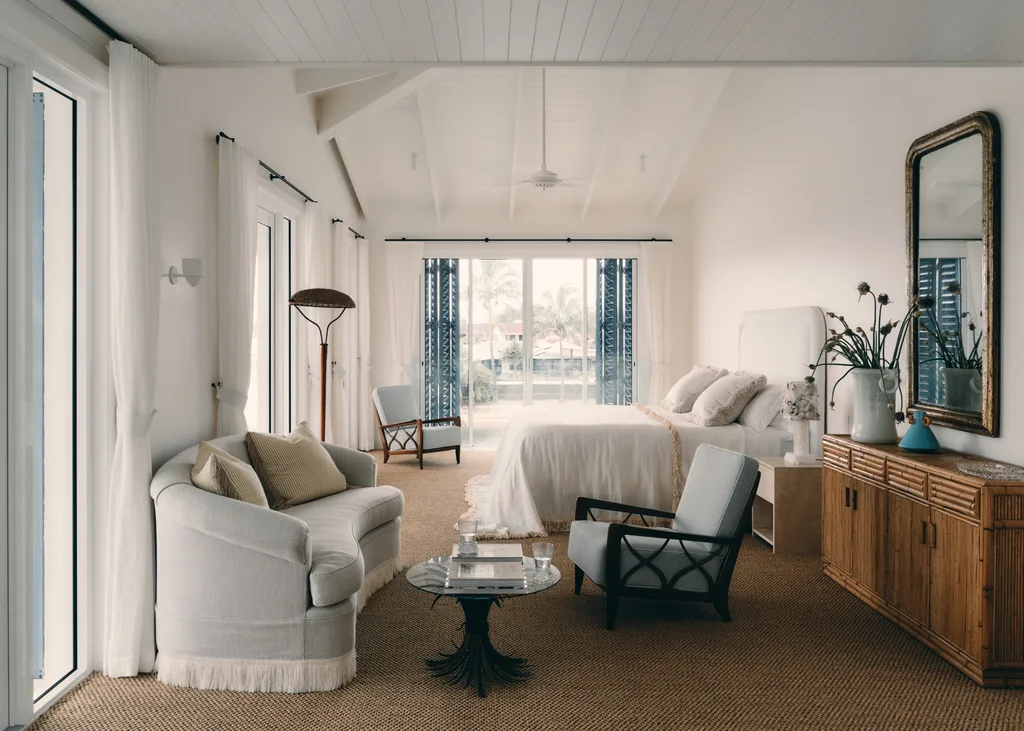
For years, we streamlined our homes within an inch of their lives. Sofas became boxier, lampshades cleaner, curtains simpler and decorative trims all but disappeared. Now, the fringe decor trend is swinging the pendulum – quite literally – in the opposite direction.
Fringe is back. So are tassels, trims, skirts and the gloriously fancy world of passementerie: decorative textile trimmings traditionally used on furniture, curtains and soft furnishings. And after years of interiors dominated by restraint, their return feels like permission to have a little fun again.
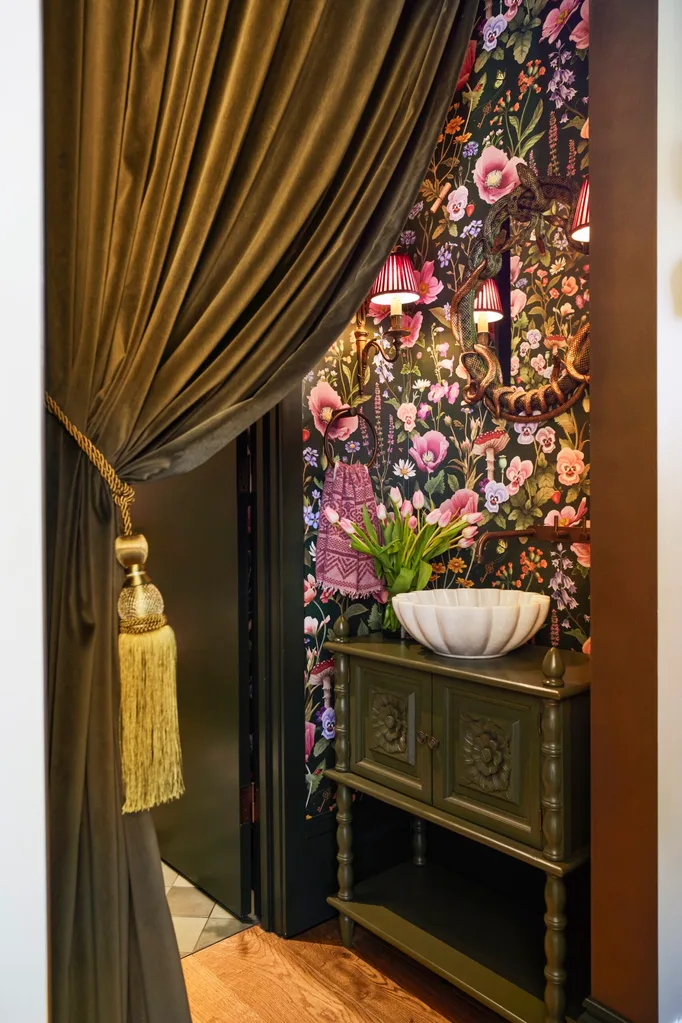
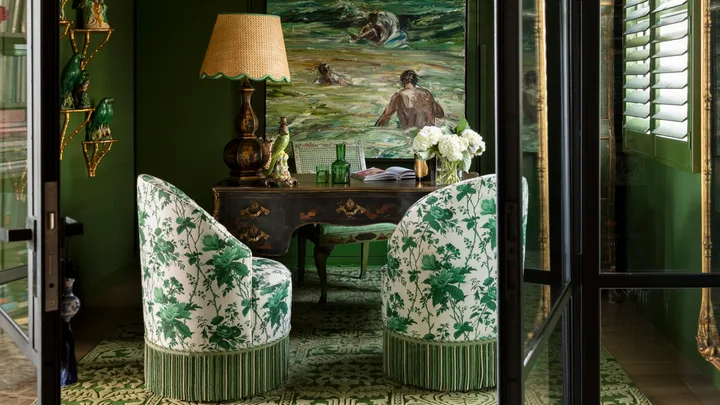
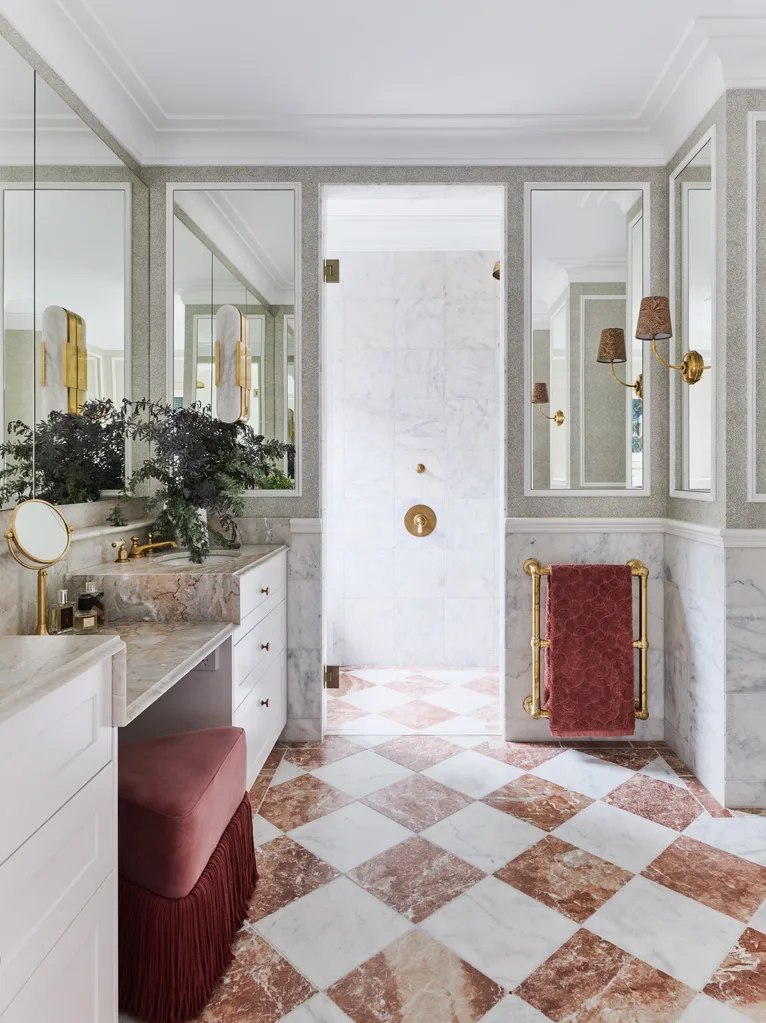
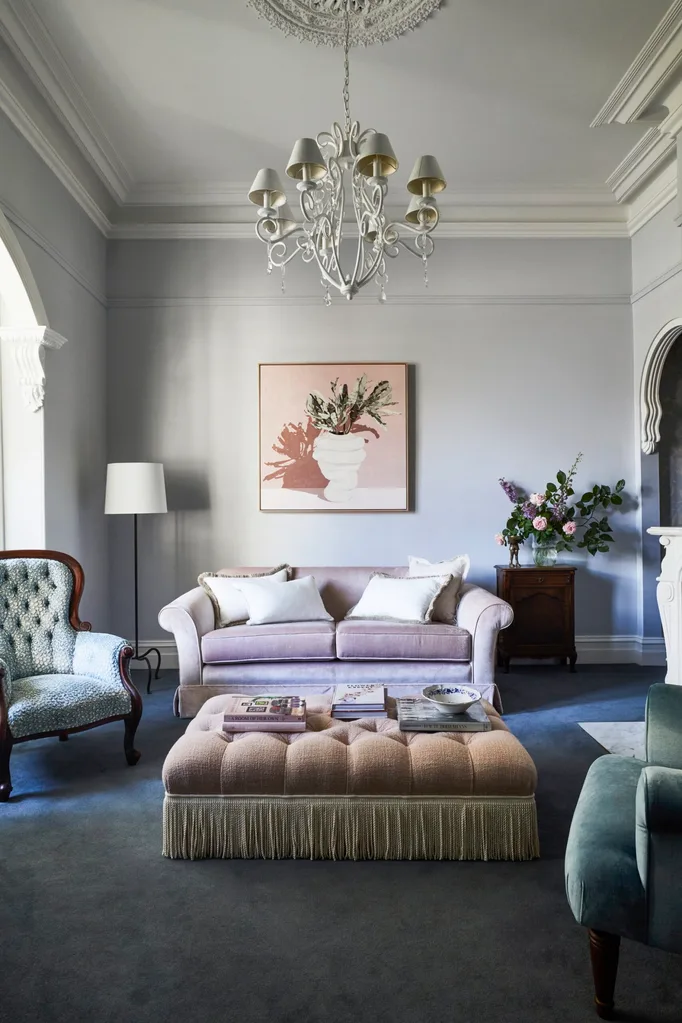
In 2026, fringe is appearing beneath sofas and armchairs, dancing around lampshades, edging cushions and curtains and transforming otherwise simple pieces into something much more theatrical. Fringe never really went away. It has been hanging around for thousands of years, waiting for us to loosen up again.
Why the fringe decor trend suddenly feels so right
Fringe’s comeback isn’t happening in isolation. Interiors have been steadily moving away from the pared-back perfection that dominated the previous decade and towards homes that feel layered, personal and collected.
Colour has returned. Pattern is being mixed with abandon. Skirted furniture is appearing again. Decorative detailing is becoming desirable rather than something to strip away.
Vogue named decorative details including fringe on beds, sofas, chairs and cushions among the trends shaping interiors in 2026, while Architectural Digest’s 2026 design forecast also noted a renewed appetite for old-world details including passementerie, fringe and tassels. In other words, we appear to have developed a collective craving for embellishment. And fringe is embellishment with movement.
It doesn’t just sit there and look pretty. It swishes, softens the outline of furniture, catches the light and introduces texture without necessarily introducing another colour or pattern. There is something wonderfully unserious about it, too. A perfectly sensible armchair becomes a little flirtier when you give it a fringe skirt.
Shop the look…
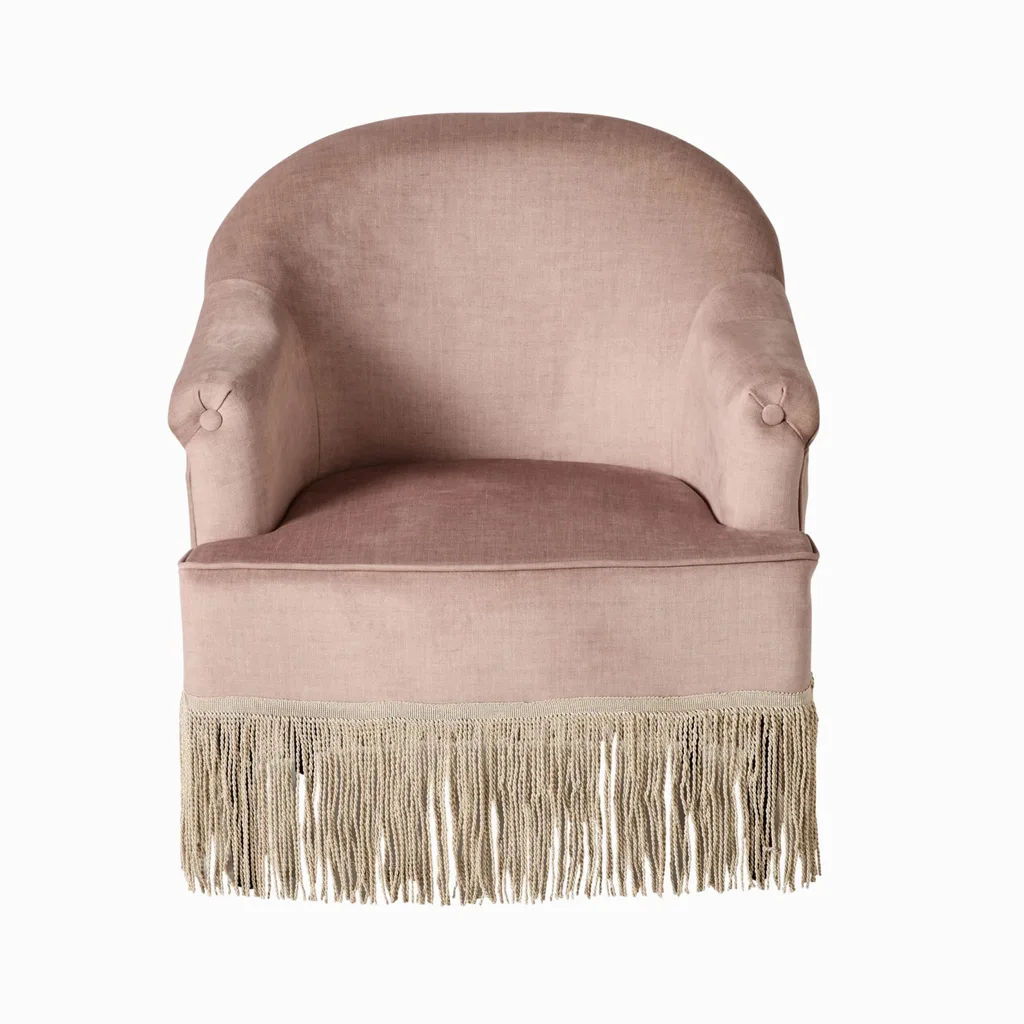
Bronte Occasional Chair in Aura Blush, $699, Early Settler
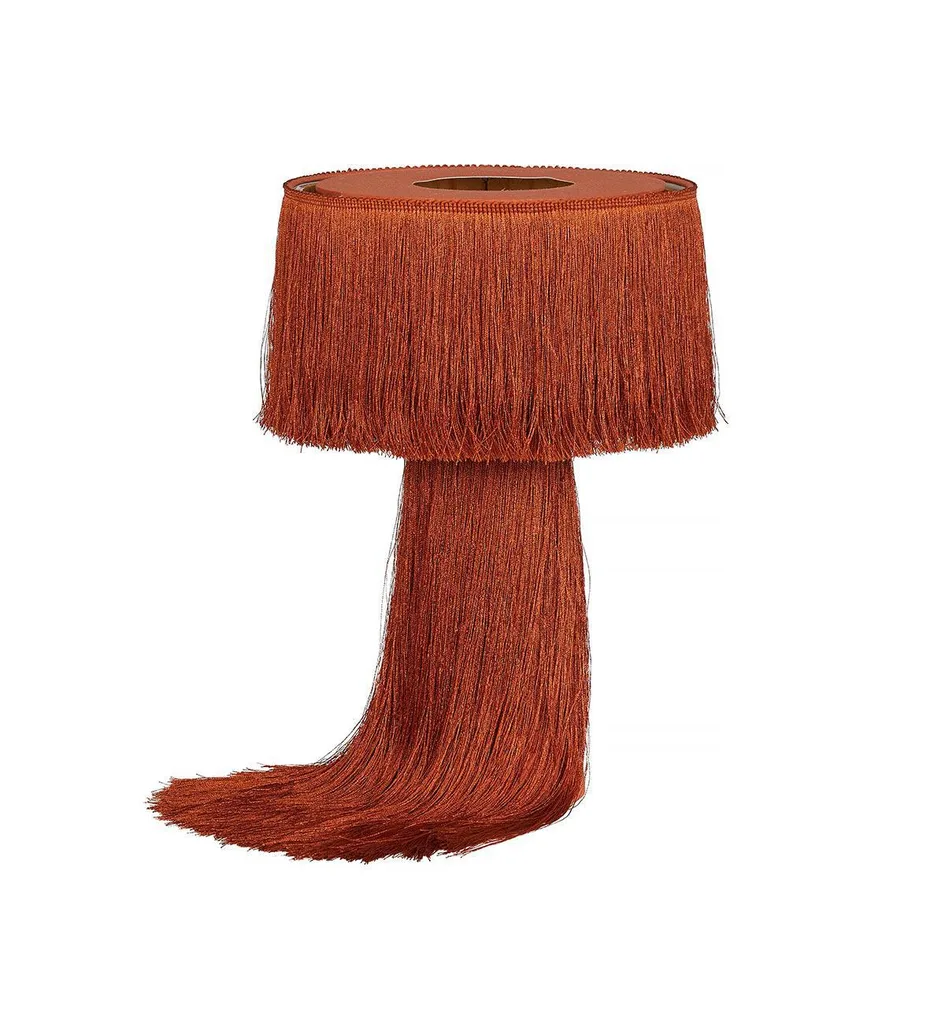
Florence Table Lamp in Spice, $180, FENTON & FENTON
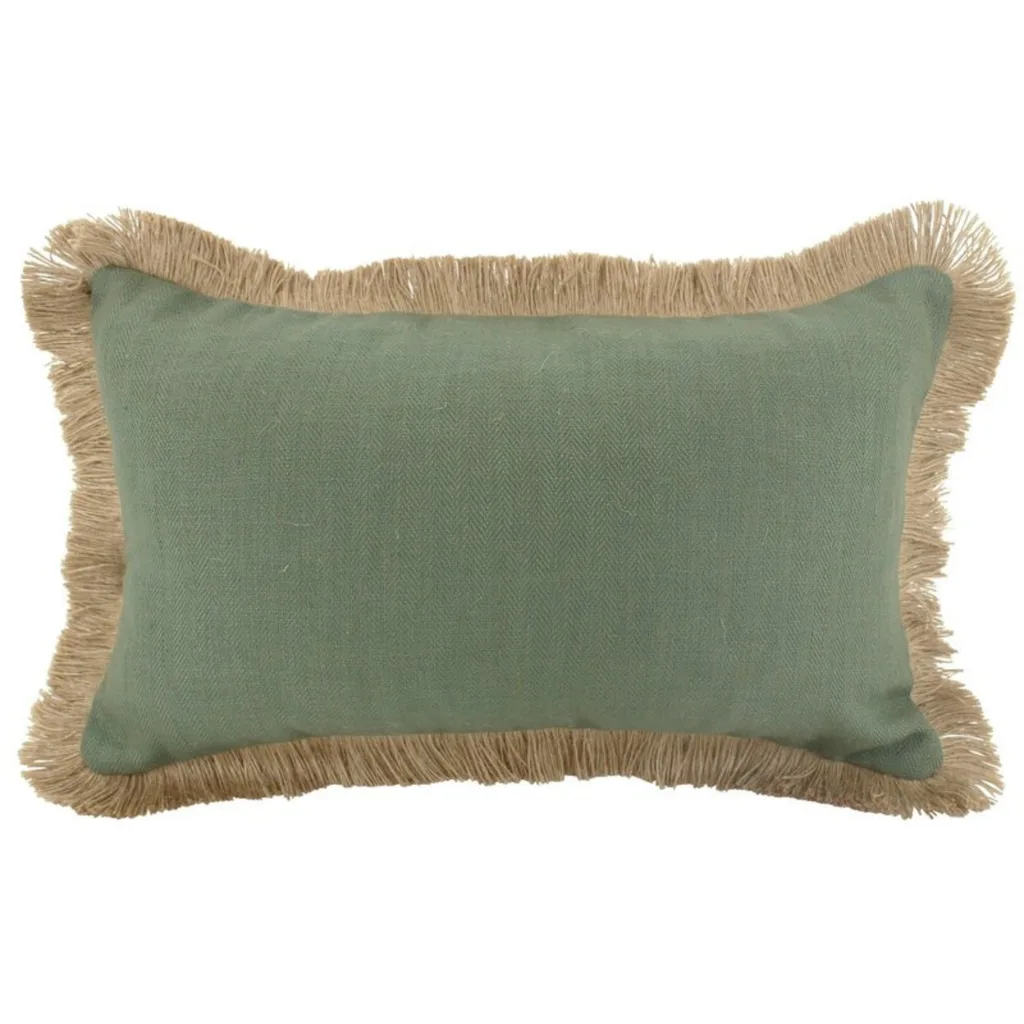
RUTE Scatter Cushion,
$44.95, Freedom
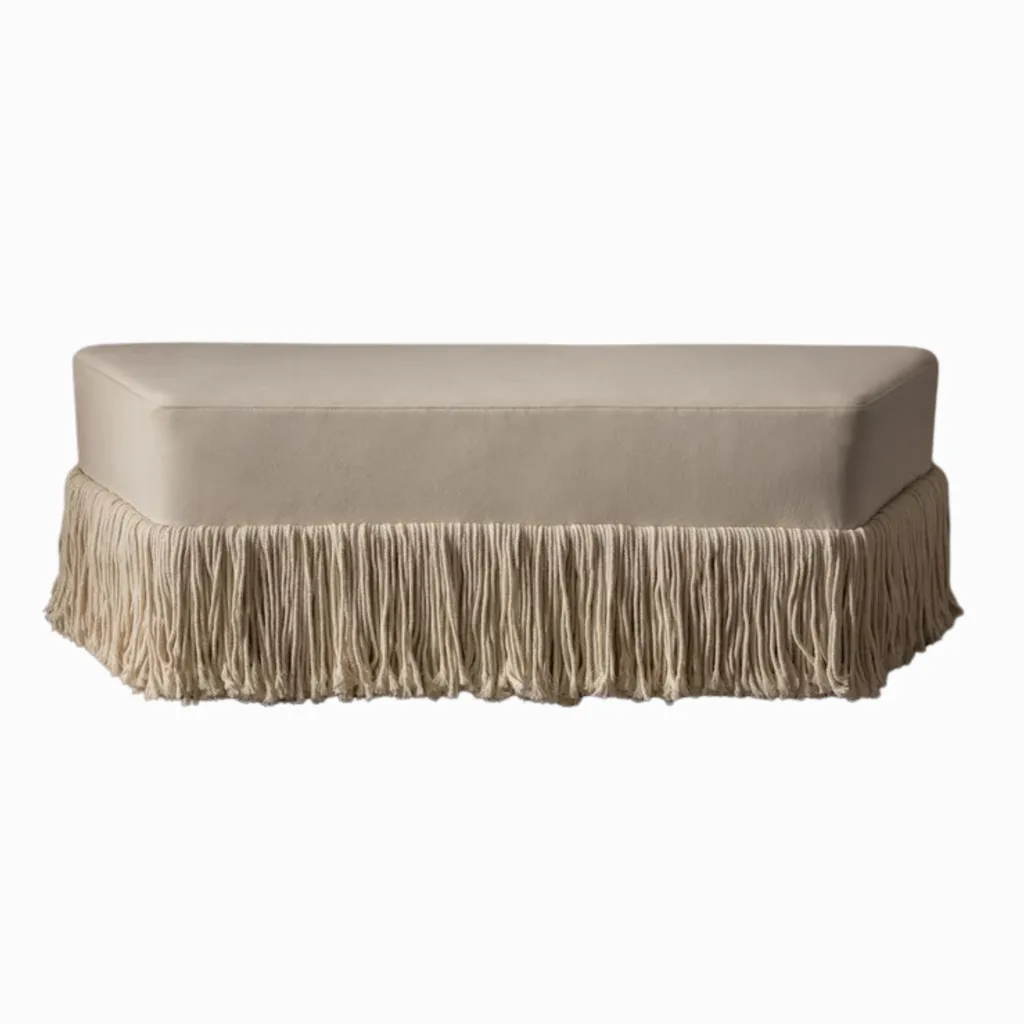
Allard Bench in Milk,
$1,280, Rachel Donath
The fringe decor trend has been thousands of years in the making
Before fringe was fabulous, it was functional. It’s history can be traced back thousands of years, with fringed textiles appearing in ancient civilisations including Mesopotamia and Egypt. Early fringe could be created from the loose threads at the edge of woven cloth, helping finish a textile while also becoming an opportunity for decoration. Over time, increasingly elaborate fringes could also communicate craftmanship, status and wealth.
By the 18th and 19th centuries, decorative trim had become serious business in fashionable European interiors. Elaborate tassels, cords, braids and fringes embellished curtains, upholstered furniture, cushions and canopies. This decorative family of trims became known as passementerie.
And then the Victorians really got involved. That history is partly why a fringed lampshade can still summon images of an eccentric great-aunt’s sitting room. But fringe never belonged to one period. It shimmered through the glamour of Art Deco, swung through the bohemian interiors and fashion of the 1960s and ’70s, and has been repeatedly rediscovered by designers looking for a way to make furniture feel softer, sexier or simply more fun.

How to fringe
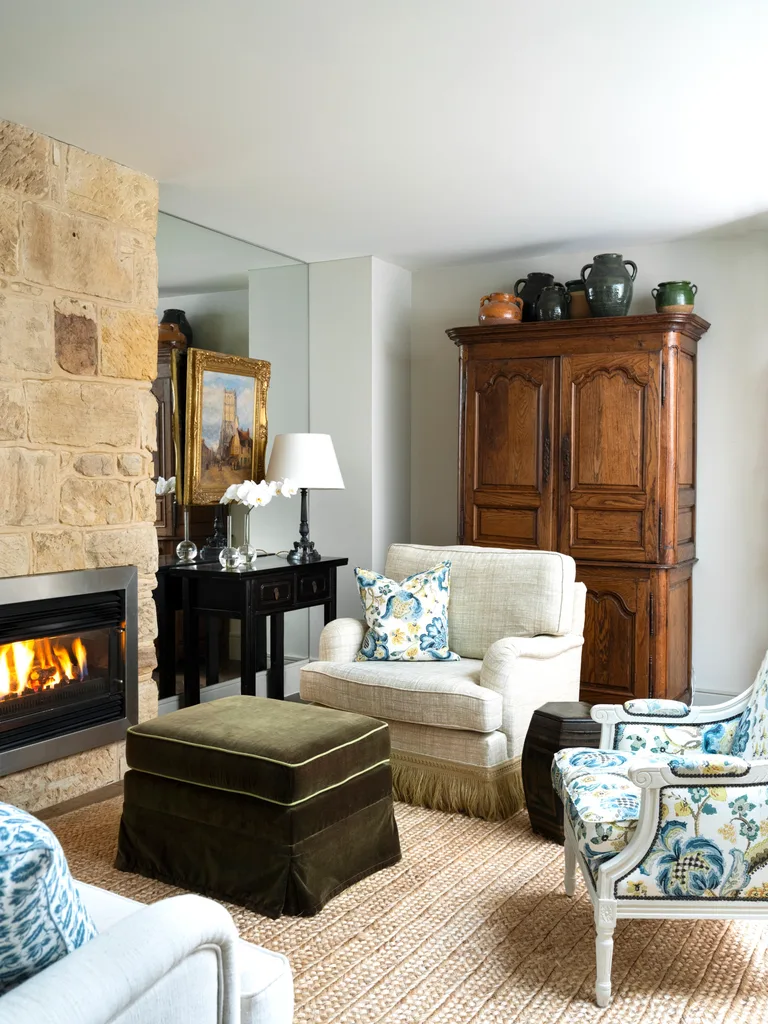
Interior designer Tiffany Howell previously told Architectural Digest that the trick is juxtaposing nostalgic fringe with contemporary furniture rather than allowing the whole piece to become overly “Old World”. Her approach treats upholstery almost like fashion – fringe becomes the skirt, while lighting acts as jewellery.
The five easiest ways to incorporate fringe into your interiors are:
- Sofas/stools/chairs/ottomans
- Cushions/pillow covers
- Table runners
- Statement lighting/lamp shades
- Artwork/sculptures
- Umbrellas
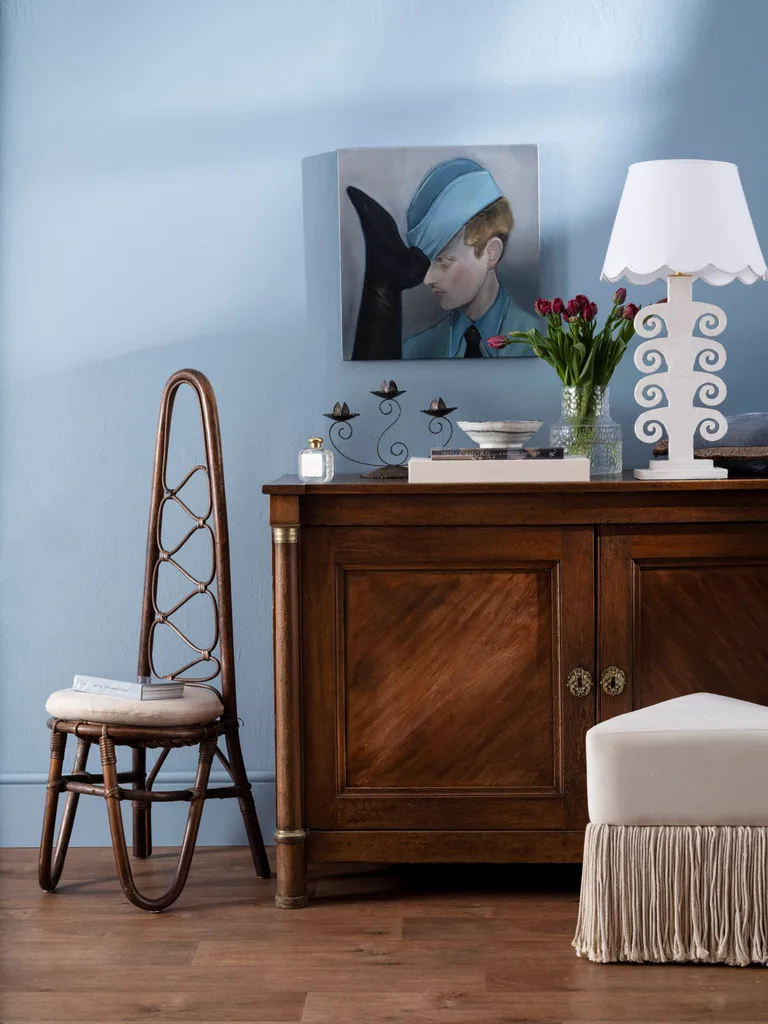
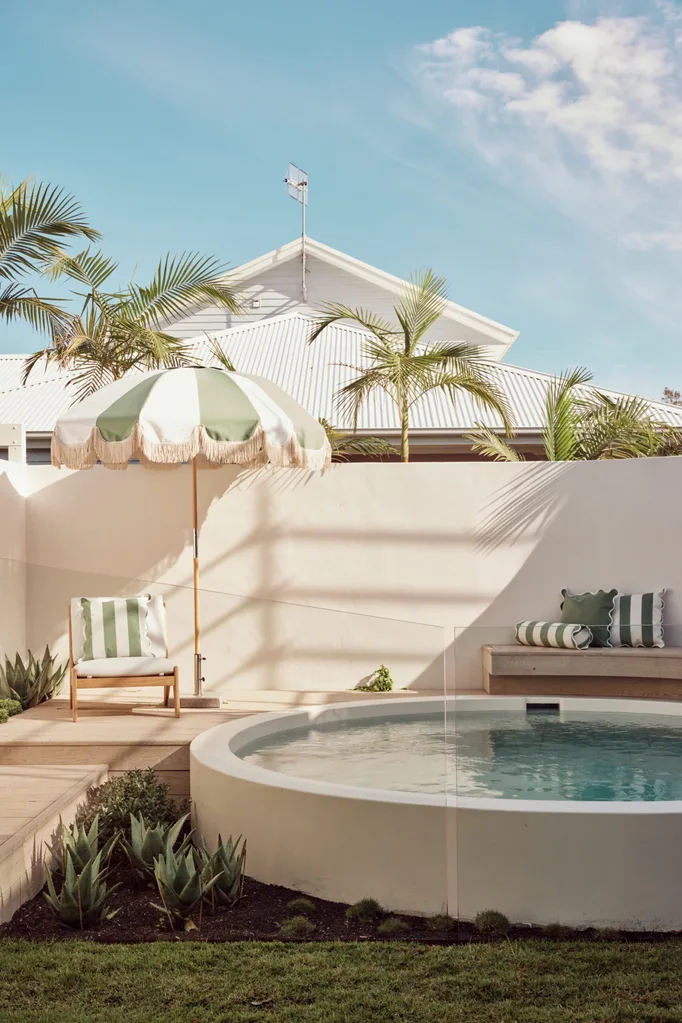
Lampshades are fringe’s gateway drug
Not ready to put a floor-length skirt on the sofa? Start with a lamp.
Fringed lampshades may be the easiest entry point into the fringe decor trend because they offer all the nostalgia and personality without dominating a room. The combination of warm, low-level light and tactile trim has an inherently intimate quality. Think less bright overhead lighting, more cocktail hour in an old hotel bar.
The fringe decor trend works best when it feels intentional
There is, admittedly, a fine line between “charming European salon” and “theatre prop department”.
The safest way to use the fringe decor trend is to treat it like jewellery rather than wallpaper: choose the moments that deserve embellishment.
One fringed armchair can be fabulous. A fringed armchair beside a fringed sofa beneath fringed curtains next to three fringed lamps may require a particularly fearless decorator. Look at the rest of the room too. Fringe becomes much more interesting when placed against contrasting elements – clean-lined furniture, contemporary art, natural timber, stone or crisp architectural details.
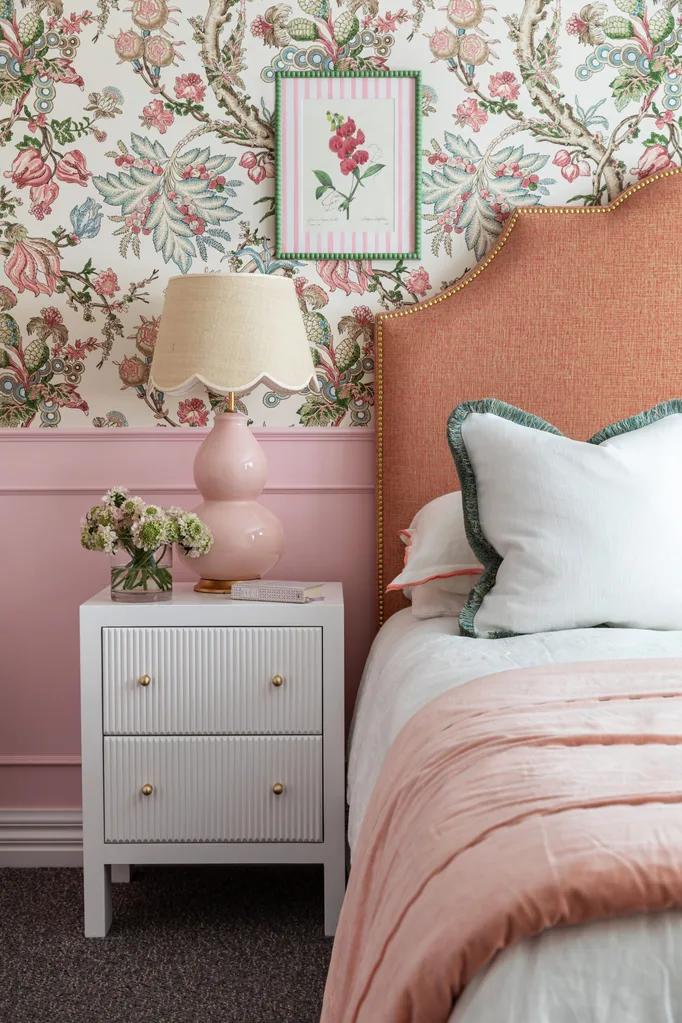
Not all fringe is created equal
Part of the appeal of fringe is just how many personalities it can have.
Bullion fringe has twisted strands and a distinctly luxurious, traditional feel. Brush fringe is shorter and softer, making it an easy detail on cushions and upholstery. Tassel fringe brings more obvious decoration and rhythm, while long, straight fringe creates the slinky movement we’re increasingly seeing on contemporary furniture and lighting.
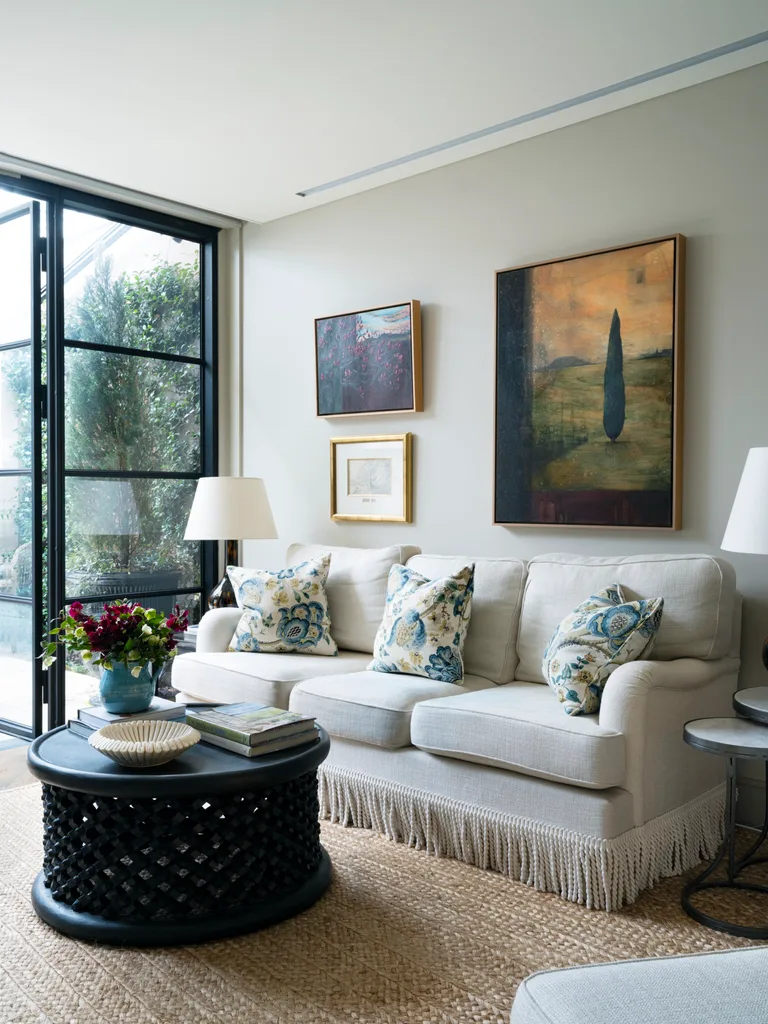
Why we think fringe will stick around beyond 2026
Trends built around one very specific object can disappear almost as quickly as they arrive. But the fringe decor trend is less about buying a particular “It” piece and more about a wider change in the way we want our homes to feel.
We’re rediscovering decoration for decoration’s sake. Not every object has to be stripped back to its purest and functional form. A lampshade is allowed a swishy hem simply because it looks delightful. If I can wear a skirt, an armchair can wear a skirt. A curtain can have a tassel! A room can make you smile.
That’s why fringe feels less like a novelty trend and more like another chapter in the return of characterful interiors. After all, something that has survived ancient civilisations, Victorian maximalism, Art Deco glamour and the 1970s probably isn’t concerned about going out of style.


Related stories

Native ad body.
Native ad body.

Native ad body.